INSIGHT BLOG
Luxury Custom Home Theater Design: The Complete Guide
Most “complete guides” to home theater design stop at a shopping list. This one walks through the room, the pillars it’s built from, and the process CinemaTech uses to bring them together.
Key Takeaway
Custom home theater design coordinates seating, acoustics, materials, and lighting as one system, not a series of separate decisions.
The first decision is room type: a dedicated theater, a flexible media room, or a high-performance hybrid of both.
True luxury home theater design moves through consultation, technical drawings, material selection, and 3D renderings before construction ever begins.
CinemaTech has guided this process for nearly 30 years, with flagship locations in Los Angeles, Dallas, Fort Lauderdale, and New York.
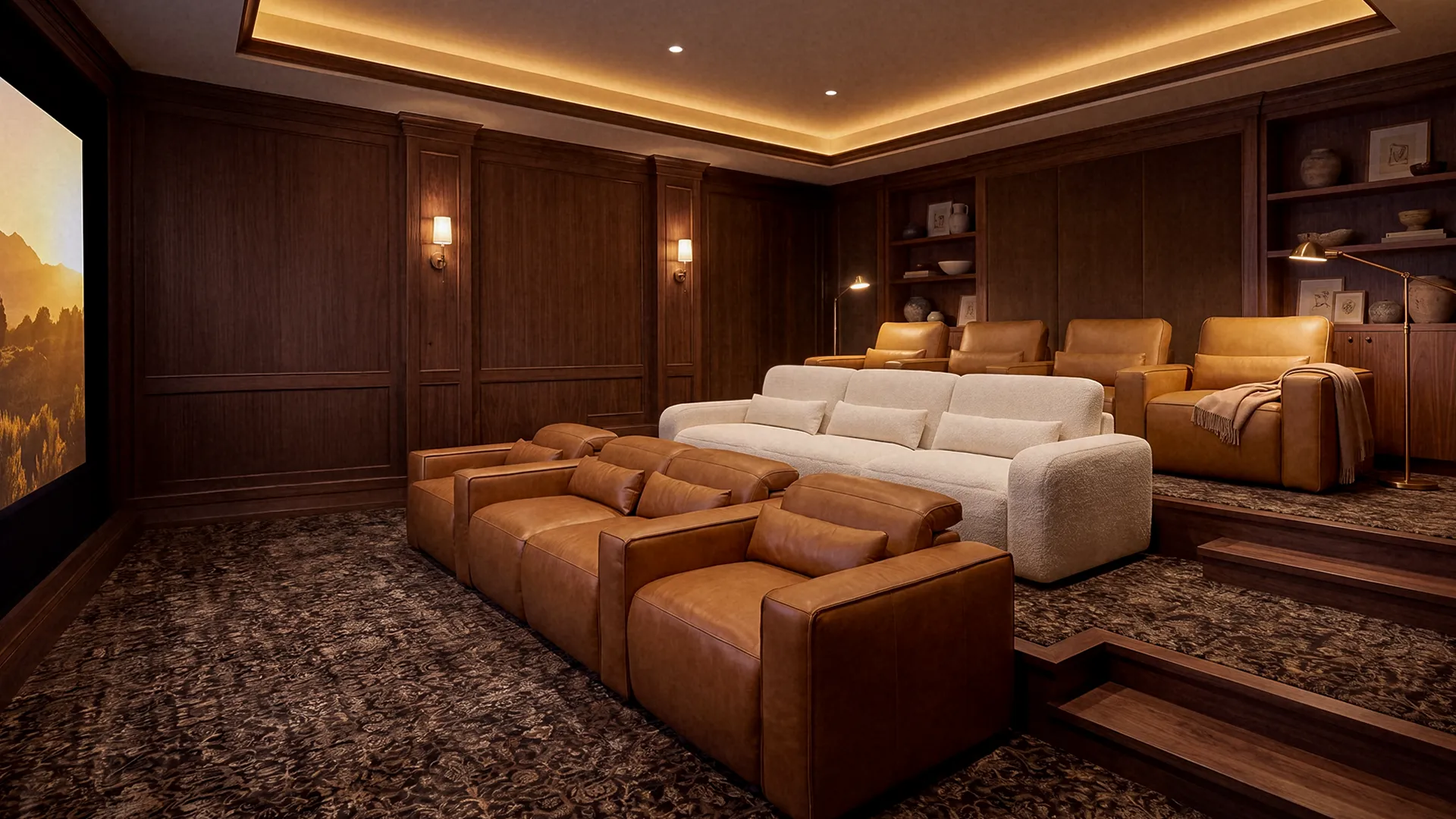
There’s a particular hush that settles over a private theater the moment the lights go down: a darkness that feels complete rather than dim, sound that seems to come from everywhere and nowhere at once, and the quiet sense that the room itself was built around the people sitting in it. That kind of cohesive environment is custom home theater design at its best, where seating, acoustics, materials, and lighting are brought together as one system, rather than handled as separate decisions. For nearly 30 years, CinemaTech has brought that standard of luxury home theater design to private theaters and media rooms alike, guiding each project from a single first decision all the way to opening night.
What’s the First Decision in Custom Home Theater Design?
Every custom home theater design traces back to one decision, made before anything else: what kind of room is this going to be? That answer shapes the light control, the seating style, the acoustic priority, and the atmosphere of everything that follows.
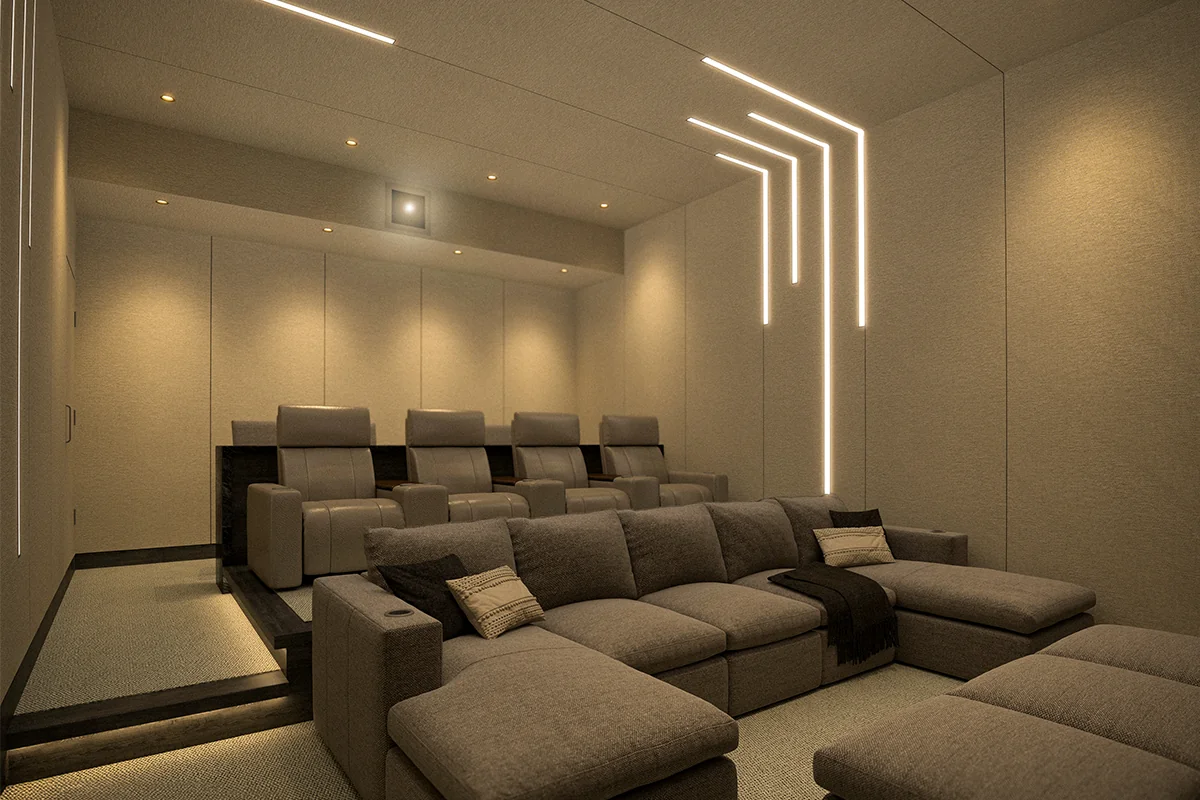
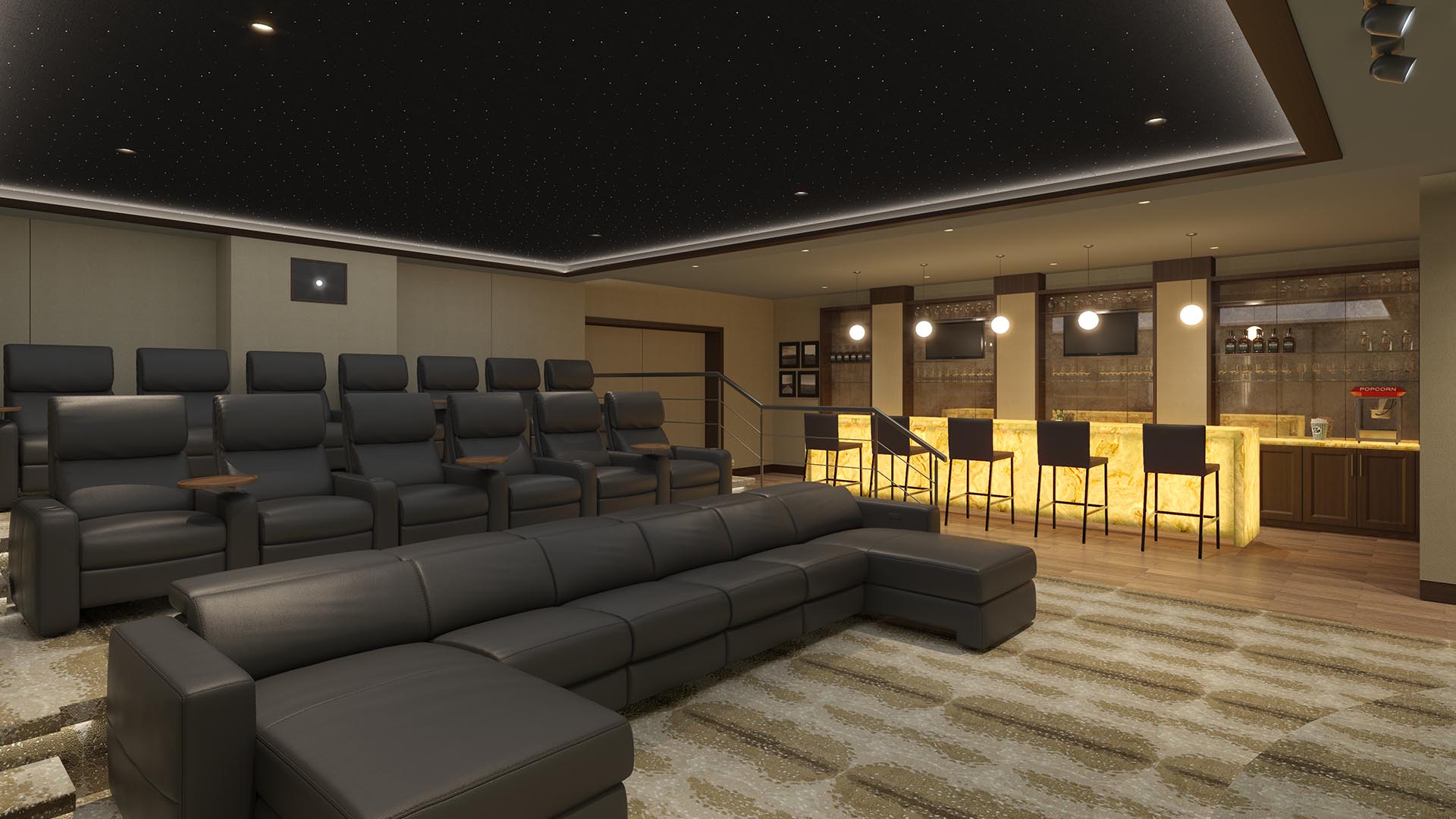
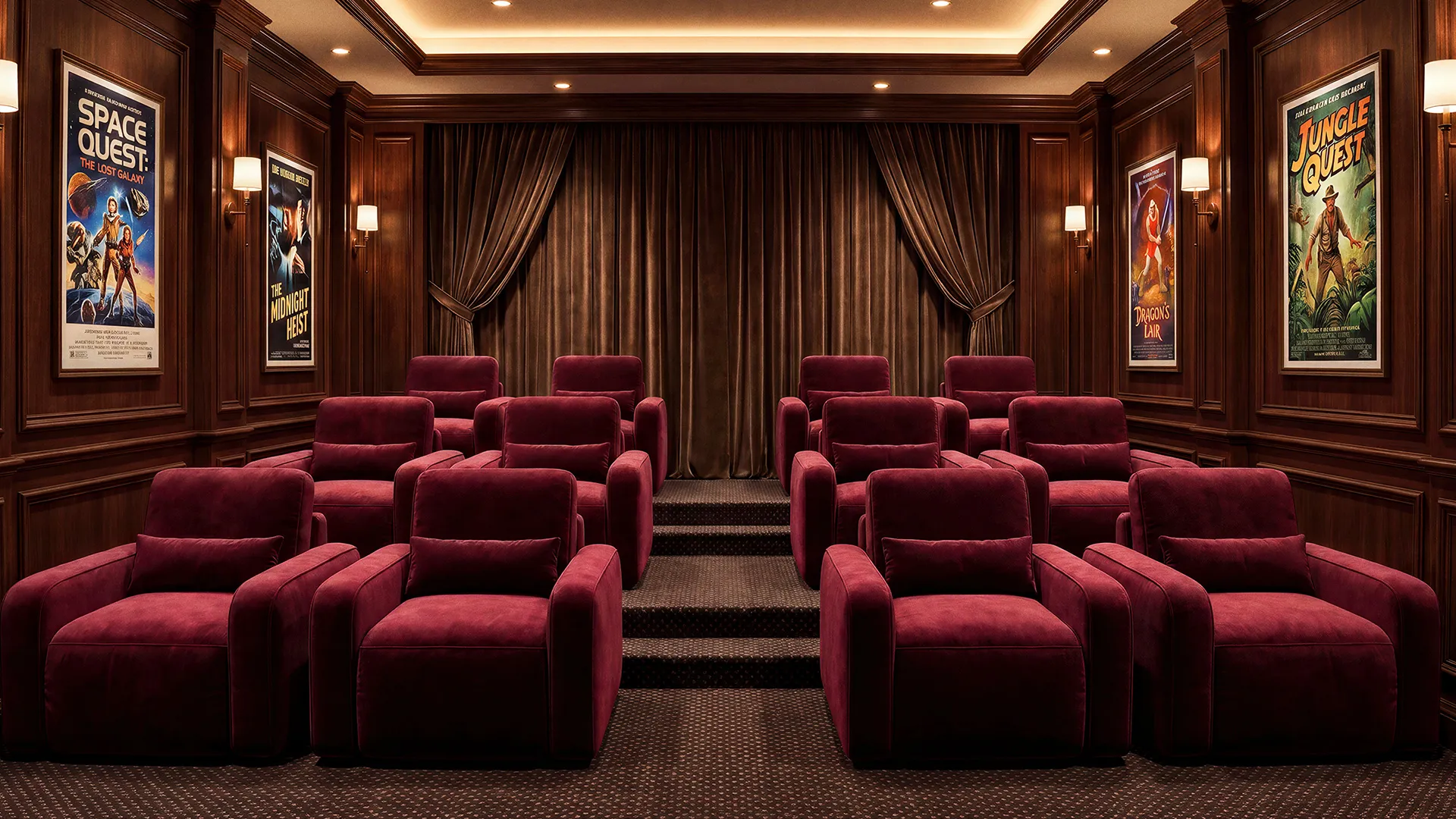
Dedicated Theater.
Media Room
High-Performance Hybrid
What Are the 4 Core Pillars of Custom Home Theater Design?

Every custom home theater design comes down to a handful of deliberate decisions, made long before the room is finished. Here’s what each pillar involves:
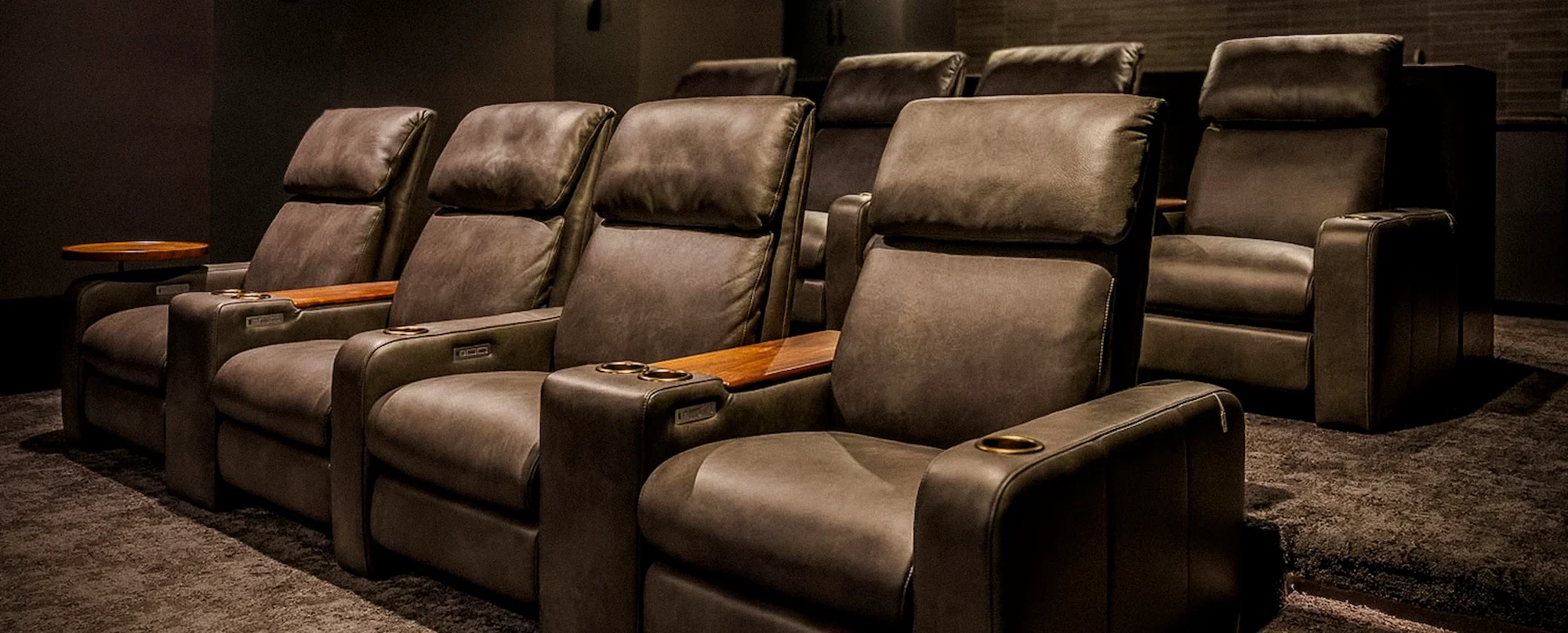
Seating & Layout
Acoustic Engineering
Materials & Finishes
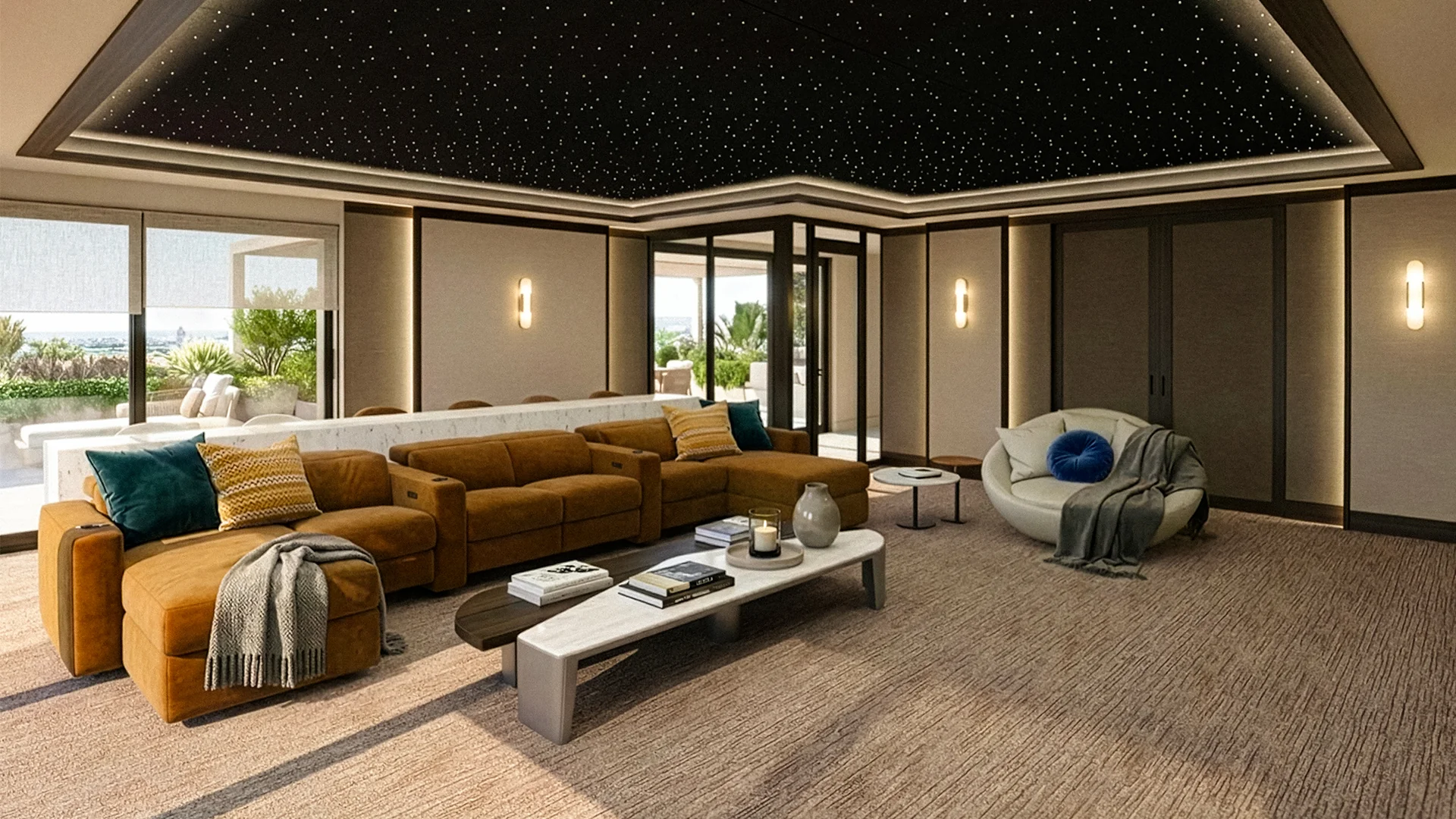
Ceiling & Ambient Lighting
Resolving these four pillars through CinemaTech’s design process is what separates custom home theatre design from interior decoration: the fabric that performs best acoustically isn’t always the one that looks right against a client’s existing home design, and a riser that solves sightlines can just as easily crowd a walkway, exactly the kind of common seating mistake that shows up only once the room is finished.
How Does CinemaTech’s Design Process Actually Work?
No private theater comes together through one company alone. The designer, AV integrator, builder and/or contractor each bring their own expertise to the room, from HVAC and structural work to technology integration and construction. CinemaTech’s role is to bring those pieces into the design conversation early, coordinating seating, sightlines, acoustics, materials, and key architectural considerations so nothing critical is discovered late, behind a finished wall. That coordination begins with the Design Services Program, moving from consultation and preliminary drawings through material selections, photorealistic renderings, and an itemized proposal.
The Six-Step Process
- Introductory Meeting. Goals, timing, and the overall process are reviewed before any design work begins.
- Design Consultation. Room type, seating needs, and design direction get mapped here, alongside how the room fits the broader AV and smart-home plan, coordinated through technology partners already on the project.
- Drawings & Technical Review. Floor plans, wall elevations, reflected ceiling plans, seating layouts, sightlines, viewing angles, and general AV equipment locations define the room on paper, where conflicts are still easier to identify and resolve. When included in the project, CinemaTech’s Acoustic Room System is also considered as part of the overall room design.
- Materials & Finish Selections. Curated material and finish recommendations bring the room’s aesthetic direction together with seating, acoustics, and architectural details.
- 3D Renderings. The approved concept becomes a series of photorealistic renderings, giving the homeowner and project team a clear view of the room before construction begins.
- Proposal & Scope Alignment. CinemaTech’s seating, acoustics, materials, and other design elements are brought together in an itemized proposal, establishing the scope and next steps for the project.
“We take inspiration from our clients. A home theater can be whatever you want it to be, and seeing our clients get excited about creating a unique piece in their home is what drives my enthusiasm and creativity. The goal is to create a unique home theater experience that our clients will enjoy for a lifetime.” — Stacey Chu, Director of Theater Design, CinemaTech.
For projects that require a deeper level of coordination, the design can continue into Phase Two through Final Detail Drawings or Interior Construction Drawings. This is where the approved concept is developed into more precise construction-level documentation, including elements such as riser design, speaker framing, sound-isolation assemblies, lighting and electrical coordination, ARS interface details, baffle walls, specialty doors, projector enclosures, and other architectural or acoustic integrations required by the room.
What Should You Look for in a Luxury Home Theater Design Partner?
The strongest custom home theater design comes together when a design partner coordinates closely with the integrator, architect, interior designer, and builder, each of them bringing a distinct expertise to the room. A few things make that kind of collaboration work:
- Is one partner coordinating the theater design? CinemaTech typically takes ownership of the theater-specific design, from seating and acoustics to sightlines and the details that tie them together. On projects that already have an interior designer involved, CinemaTech works closely with them to balance performance with the designer’s original intent.
- Is there a named, repeatable process, or just a verbal promise? A defined sequence, from consultation through renderings and proposal, is what keeps a project on track once it’s underway.
- Does the team bring real design and acoustic expertise? CinemaTech’s licensed design team includes members educated in architecture, acoustical engineering, and interior design, expertise that shapes an entire room, from its sightlines and sound to the seating within it.
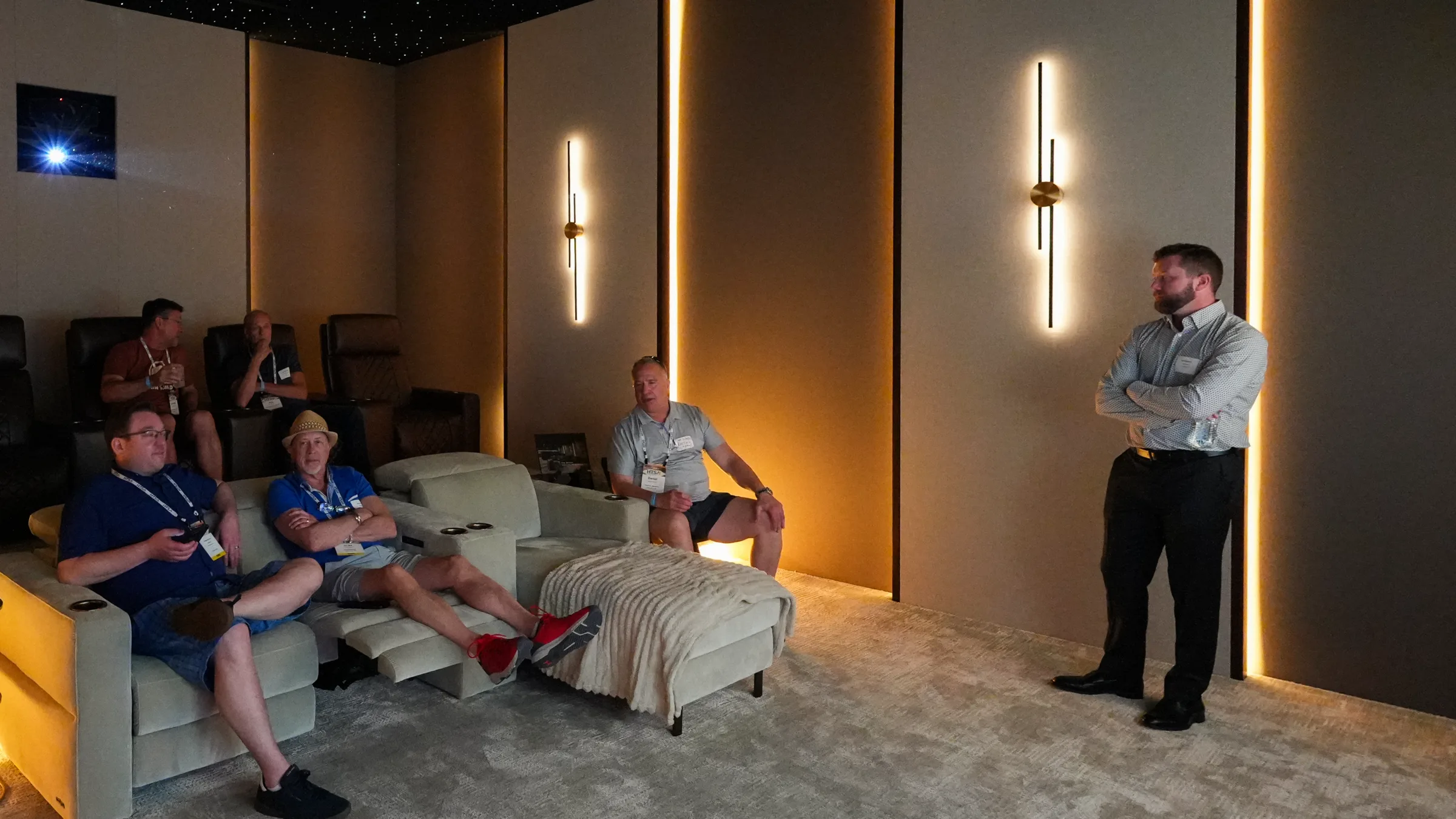
- Can you experience it before you commit? Seeing and sitting in the seating, hearing the acoustics, and touching the materials in person changes how confidently a decision gets made.
CinemaTech’s four flagship Experience Centers, in Los Angeles, Dallas, Fort Lauderdale, and New York, anchor a wider showroom and dealer network. For homeowners and design partners outside these regions, the Fly-and-Buy Program offers up to a $1,000 travel credit toward qualifying purchases to visit any of our flagship experience centers to experience the seating, acoustics, and materials firsthand before anything is decided. CinemaTech is also listed in the Architectural Digest Pro Directory, the publication’s vetted resource of design firms for architects and interior designers.
Have Questions About Our Luxury Home Theater Design Process?
A few questions come up again and again once homeowners and design partners start planning a custom home theater.
Start Your Custom Home Theater Design With CinemaTech
The room type, the seating, the acoustics, the materials — none of it makes a theater extraordinary on its own. What does is a coordinated design direction that helps all of those pieces come together. It’s the work of making sure the lighting locations suit the design, the seating and sightlines are comfortable, and the acoustic treatment belongs to the room rather than fighting it, so that as the integrator, builder, and other partners install their own systems, it all comes together as one considered whole. Pulling those pieces together into one performant, beautiful space is what CinemaTech’s Design Service Program is built to do.Schedule a consultation or step into a CinemaTech Experience Center in Los Angeles, Dallas, Fort Lauderdale, or New York to see, hear, and feel the difference firsthand.